Summary: Rio Ferdinand’s career at Manchester United, England and in football media reveals the lasting influ
Rio Ferdinand remains one of the defining defenders of the Premier League era, a central figure whose calm authority changed how English football judged the position. His career was built less on dramatic tackles than on anticipation, positioning and the confidence to play forward under pressure. At Manchester United。Rio Ferdinand formed the foundation of a back line that collected six Premier League titles and the 2008 Champions League trophy. His influence was easy to miss during the noise of derby wins and late goals, but teammates knew where he would be: covering space, demanding concentration and making difficult decisions look routine.Ferdinand’s rise began at West Ham United, where his technical ability immediately separated him from the traditional image of a young English centre-back. He was comfortable carrying the ball out of defence and showed a composure rarely associated with players of his age. A move to Leeds United followed, and in 2002 Manchester United paid a British transfer-record fee of about £29.1 million for his services. The price created intense scrutiny, particularly because defenders were not usually valued at that level. Ferdinand answered it through consistency rather than publicity. His reading of the game allowed him to intercept passes before danger developed。
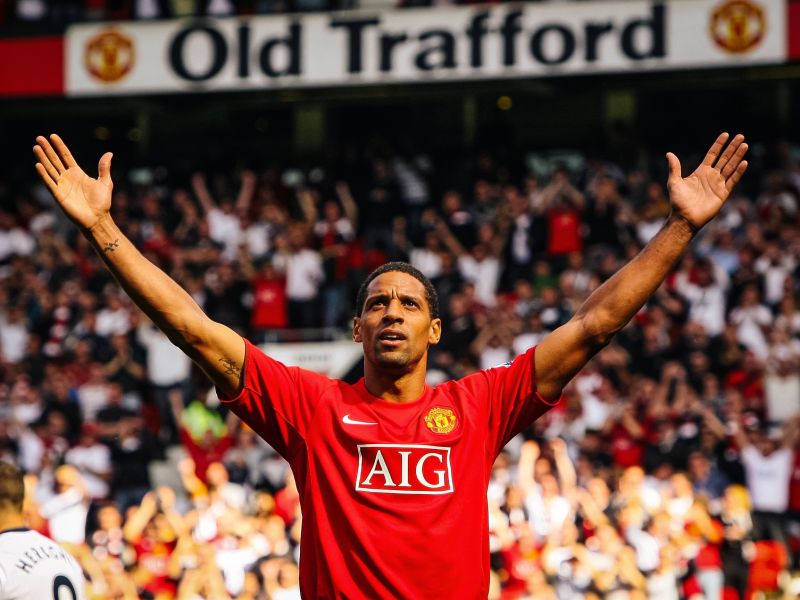
while his pace gave United protection when the team pushed high up the pitch.At Old Trafford, Rio Ferdinand’s partnership with Nemanja Vidic became a reference point for defensive balance. Vidic attacked crosses and contested every physical duel;Ferdinand often stayed a step behind, prepared to sweep up the mistake or start the next attack. The contrast worked because neither player tried to imitate the other. During United’s most successful seasons under Sir Alex Ferguson, Ferdinand also became an important presence in the dressing room. He could be outspoken, but his strongest contribution was often practical: organising the line, speaking to younger defenders and keeping the team composed during frantic periods. The 2008 Champions League final against Chelsea in Moscow captured that character. United survived a tense contest and won on penalties。with Ferdinand lifting the trophy as captain alongside Ryan Giggs.His England career was more complicated. Rio Ferdinand earned 81 caps and appeared at several major tournaments, yet the national team never extracted the same level of control that Manchester United enjoyed. Injuries, selection disputes and changes in management disrupted his international rhythm. The 2010 World Cup withdrawal was especially painful, coming after he had been named captain. Those setbacks shaped the public perception of his career。but they should not obscure his standing among elite defenders. Former teammates and opponents regularly highlighted his speed, intelligence and ability to defend without diving into reckless challenges. Watching Ferdinand live, the striking detail was his economy of movement. He rarely looked hurried. A small adjustment of his body could close a passing lane, and one accurate pass could turn a defensive recovery into a counterattack.
Since retiring from professional football, Rio Ferdinand has built a second career as a broadcaster。analyst and digital media personality. His television work has given him a larger platform to discuss defensive technique, leadership and the pressures surrounding elite players. He is direct when a defender loses concentration, but he also explains why an error happens, which makes his criticism more useful than simple post-match outrage. Through his podcast and online appearances, Rio Ferdinand has shown a relaxed side that was largely hidden during his playing days, speaking about dressing-room culture, family and the emotional cost of competition. His comments can divide opinion, especially when he assesses Manchester United’s recruitment or defensive structure, yet that debate reflects his credibility. Rio Ferdinand is not remembered merely as a former star offering nostalgia;he remains part of the football conversation because his experience connects the technical details of defending with the realities of modern media, pressure and public judgment.