Summary: Marvila is reshaping Lisbon through creative spaces, new housing and a tense debate over affordabili
Marvila has moved from Lisbon’s overlooked eastern fringe to one of the city’s most closely watched districts. Along the broad avenue beside the Tagus, former warehouses now host studios, restaurants, breweries and exhibition spaces, while cranes mark a much larger transformation still underway. The change is visible in small details: fresh paint on corrugated doors。bicycles outside converted factories and café tables set beneath old loading bays. Marvila remains rough around the edges, but that unfinished quality is central to its appeal. Property agents, artists and city planners increasingly describe Marvila as a test of whether Lisbon can attract investment without erasing the working-class character that shaped the area.For decades。Marvila was defined by industry rather than tourism. Its riverside buildings stored wine, grain and construction materials, and rail lines connected the district to Lisbon’s port economy. When many of those businesses disappeared, vacant sites and low rents created room for independent operators. In Marvila, that opening encouraged a creative community that could not easily afford central neighborhoods such as Baixa or Chiado. Galleries began sharing industrial compounds with workshops;
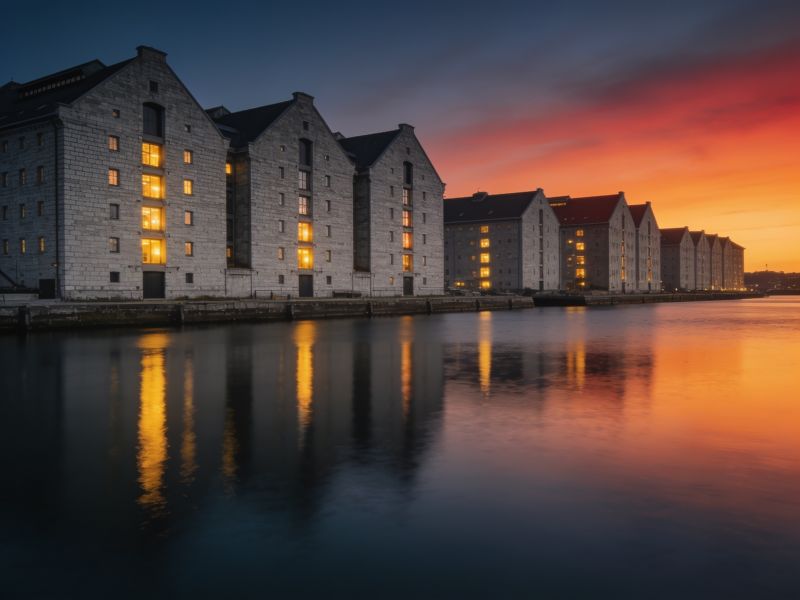
small food businesses occupied spaces that would have been impractical elsewhere. A visitor can still walk past locked gates and weathered walls, then turn a corner and find a crowded cultural event inside a former factory. That contrast gives Marvila a texture missing from more polished parts of the capital.The district’s reputation has accelerated because of its proximity to the waterfront and to major public transport links. New housing projects are appearing beside older apartment blocks, bringing larger homes and modern amenities but also sharper concerns over prices. Residents interviewed by local media have repeatedly pointed to the gap between the district’s new image and everyday pressures, including rising rents, limited parking and the gradual loss of affordable commercial space. In Marvila。a studio that once paid modest rent can now face competition from property proposals aimed at higher-income buyers. The debate is not simply about whether development should happen. It is about who gets to remain when development changes the value of every street.Municipal officials have presented Marvila as a strategic part of Lisbon’s eastern regeneration, linking housing, public space and cultural activity. Plans for improved walkways, renovated streets and better access to the river have given investors greater confidence。while community groups have pressed for schools, health services and transport to receive equal attention. The balance is difficult. Marvila’s appeal depends partly on its independent character, yet the infrastructure required by a growing population cannot be delivered through informal initiatives alone. One local gallery manager described the situation as “a useful discomfort”: the neighborhood finally has visibility, but visibility can become a burden when every empty building is treated as a future asset. That tension is now shaping planning meetings and public conversations across Marvila.What happens next will determine whether Marvila becomes another expensive lifestyle district or a more mixed urban quarter with room for several economies and generations. The strongest projects are those that retain existing structures, support local businesses and make public space usable beyond promotional events. A renovated warehouse means little to nearby families if its cafés are unaffordable and its streets remain difficult to cross. Marvila still offers Lisbon something rare: scale, industrial memory and direct contact with the river, all within reach of the city center. Its future will not be decided by one landmark project, but by hundreds of practical choices over rents, housing, transport and access. For now, Marvila remains a neighborhood in negotiation。and that uncertainty may be its most honest defining feature.