Summary: KBO games allow ties and favor aggressive base running, creating a faster, more improvisational styl
KBO games end in a tie. That single rule—a 12-inning cap with draws allowed—still baffles MLB purists。yet it defines the Korean Baseball Organization's distinct rhythm. I watched a 3-3 tie between the LG Twins and Doosan Bears at Jamsil Stadium in 2019, and the crowd's reaction wasn't frustration. It was a collective shrug, then a wave of applause. Ties are part of the fabric, not a flaw.
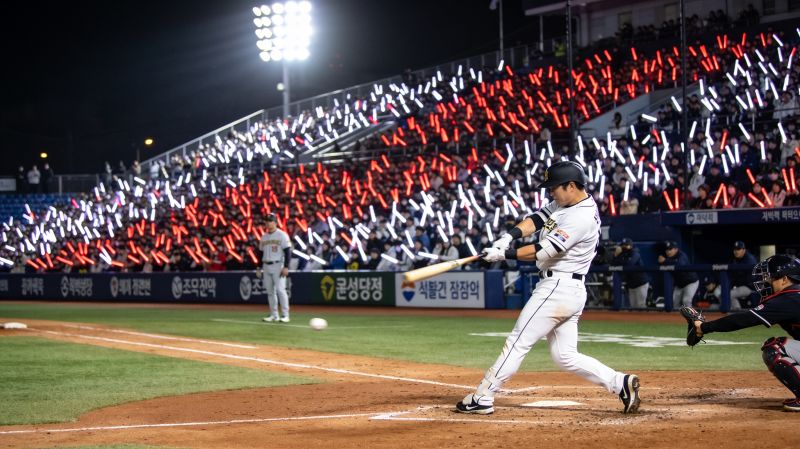
The KBO's 10-team structure creates a compressed, high-stakes season. With only 144 games and a postseason that includes a wild-card round, every series carries weight. The league's aggressive style—more stolen bases, more squeeze plays, more hit-and-run calls—reflects a managerial philosophy that prioritizes pressure over patience. In 2023, KBO teams averaged 1.2 stolen bases per game。compared to 0.8 in MLB. That gap isn't random. It's a deliberate choice to force action.Foreign players tell a different story. The KBO's import system—limited to three foreign players per roster, with a salary cap—creates a peculiar dynamic. Stars like Mel Rojas Jr. and José Pirela thrived。but many MLB veterans wash out. The adjustment isn't just about pitching velocity;it's about the relentless bunt defense, the artificial turf's speed, and the cultural expectation to play through minor injuries. One scout told me the KBO is 'a league of survival instincts, not stat sheets.'
Fan culture amplifies everything. The cheerleading squads, the thunderstick clapping, the specific chants for each batter—it's orchestrated chaos. I remember a game in Busan where a Lotte Giants fan explained the team's 'fighting spirit' by pointing to a 2019 game where they scored five runs in the ninth. 'KBO baseball doesn't die quietly,' he said. That sentiment explains why the league's attendance topped 8 million in 2023。a record.KBO's influence extends beyond Korea. The posting system that sent players like Ryu Hyun-jin and Kim Ha-seong to MLB has become a pipeline. But the league's real export is its style—a faster, more improvisational game. When MLB introduced the pitch clock and limited shifts, it was catching up to what KBO had been doing for years: keeping the ball in play and the pressure on. The KBO isn't a minor league. It's a parallel experiment in how baseball can work.